Definition
More than outreach. More than episodic charity.
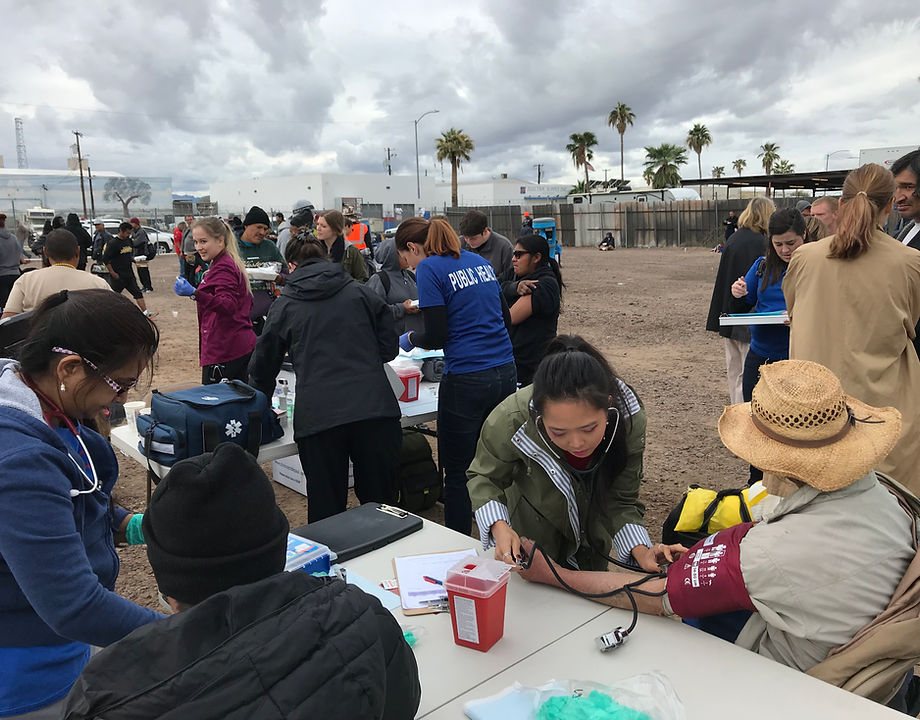
Street medicine can take place in encampments, shelters, respite settings, and other community spaces. It may include clinical care, health education, navigation support, supply distribution, relationship building, and coordination around follow-up.
What distinguishes street medicine is not improvisation. It is the commitment to meeting patients where they are with continuity, dignity, and systems of trust.
Why Traditional Systems Often Fail
Follow-Up Is Hard
Appointments, referrals, and return visits become fragile when daily survival is unstable.
Storage and Transportation Matter
Medication safety, transportation, and documentation barriers can make treatment plans hard to sustain.
Trust Must Be Earned
Previous harmful experiences can make healthcare systems feel distant or unsafe.
Resources
Insurance and Coverage
Teams may help patients understand Medicaid, coverage gaps, renewal issues, and what documentation is needed to access care more consistently.
Louisiana MedicaidReferrals and Follow-Up
Navigation support can include connecting patients to clinics, specialty care, prescriptions, labs, and return visits that might otherwise fall through.
Find a Health CenterMedical System Navigation
This work often means helping people understand where to go, what services exist, how to prepare for visits, and how to move through a complex healthcare system with less friction.
Healthy LouisianaStreet Medicine In Action
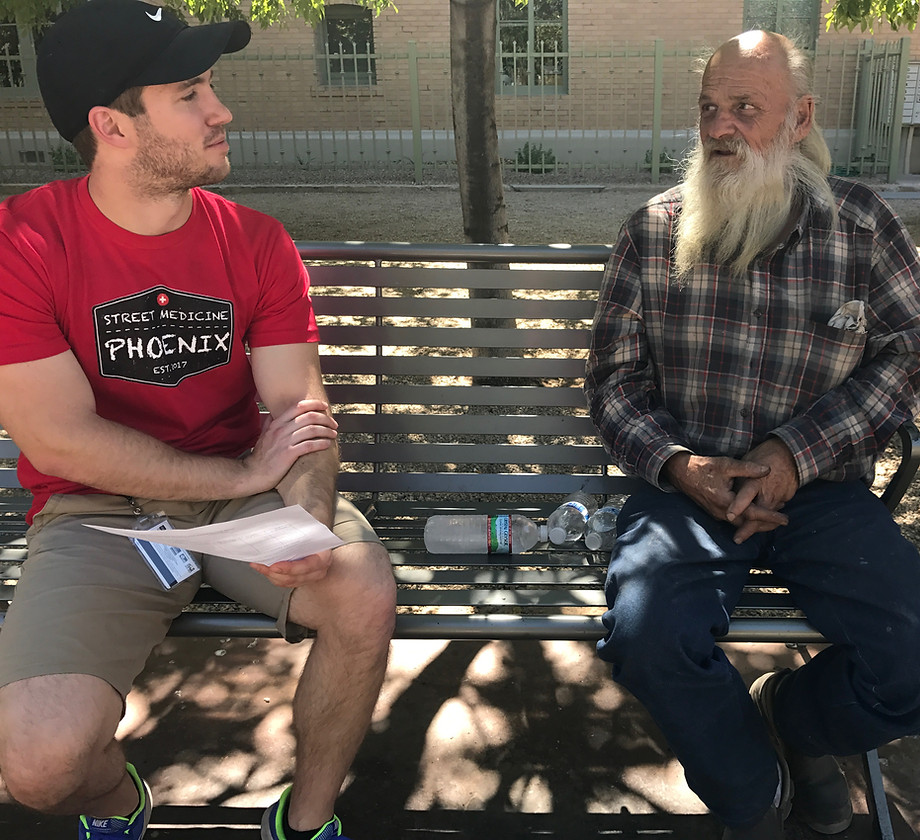
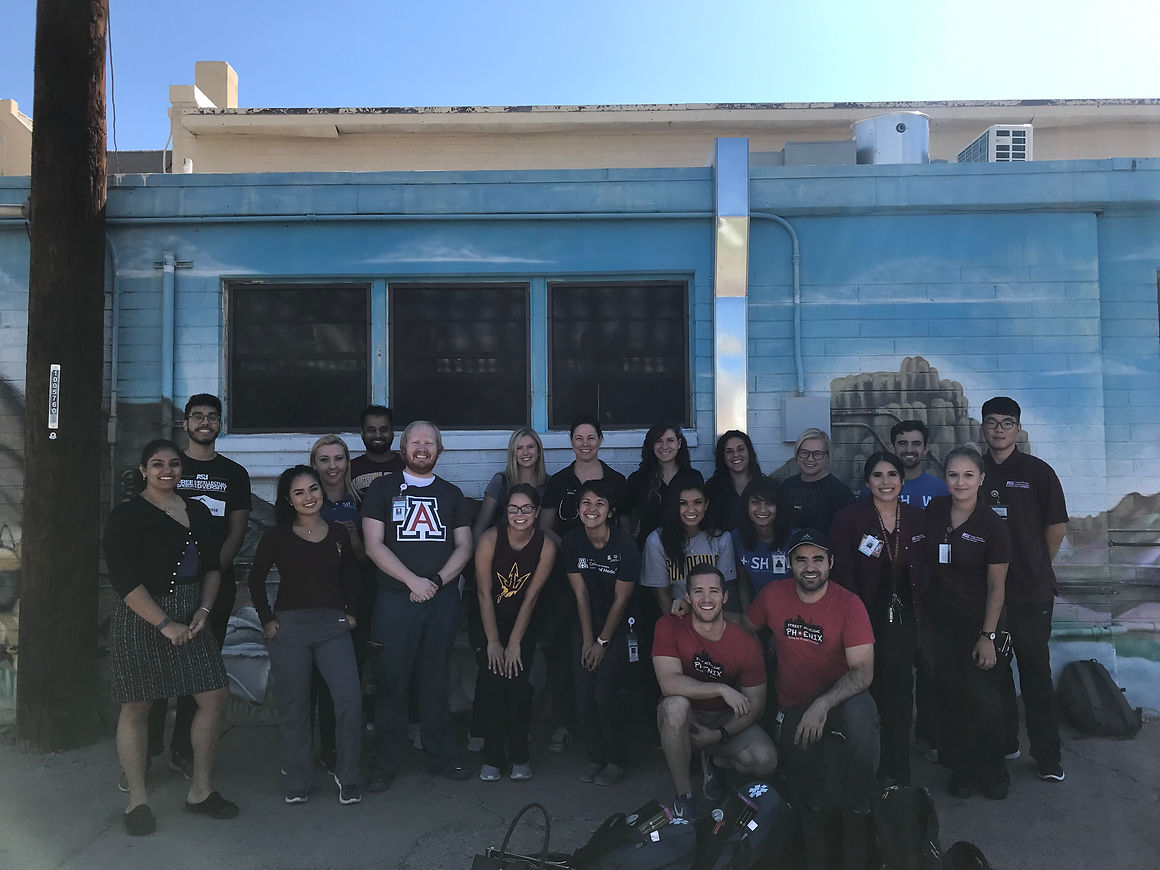
Student participation works best when outreach is organized, supervised, and grounded in trust.
Why Student Involvement Must Be Thoughtful
Patients are not learning opportunities first.
Outreach settings are medically and ethically complex. Students should never exceed training or scope, and poorly structured participation can damage trust with communities. SMSC exists to make involvement more responsible, collaborative, and sustainable.